If you are asking **how to tell if a recall has been performed on my used car**, treat it as a safety question first and a paperwork question second. A used vehicle can look clean, drive fine, and still carry an open recall for airbags, brakes, fuel leaks, or software that affects crash protection. I spent years reading defect files and warranty data, and the pattern was always the same: owners assume the last owner or dealer handled it. Sometimes they did. Sometimes they absolutely did not. Here's what the data shows. Here's what owners should do.
Start with the VIN, not the seller's memory
The fastest way to answer **how to tell if a recall has been performed on my used car** is to run the full 17-character VIN through the NHTSA recall lookup and then check the manufacturer's recall page. If the recall shows as open, the repair has not been completed in the reporting system. If it shows no unrepaired recalls, that is a strong sign the campaign was completed or that no open recall currently applies.
Do not rely on a verbal promise from a private seller, auction listing, or used car lot. I have seen too many cases where a seller says, "I think the dealer fixed that years ago," but no claim was ever submitted under the recall campaign. Recalls are tracked by VIN because trim level, build date, and plant matter. One model year may be affected while the next is not.
Also pay attention to timing. NHTSA data is useful, but updates are not always instantaneous. If a recall repair was done very recently, the database can lag behind dealer service records. That is why VIN lookup is step one, not the whole investigation.
Read the paperwork like an investigator would
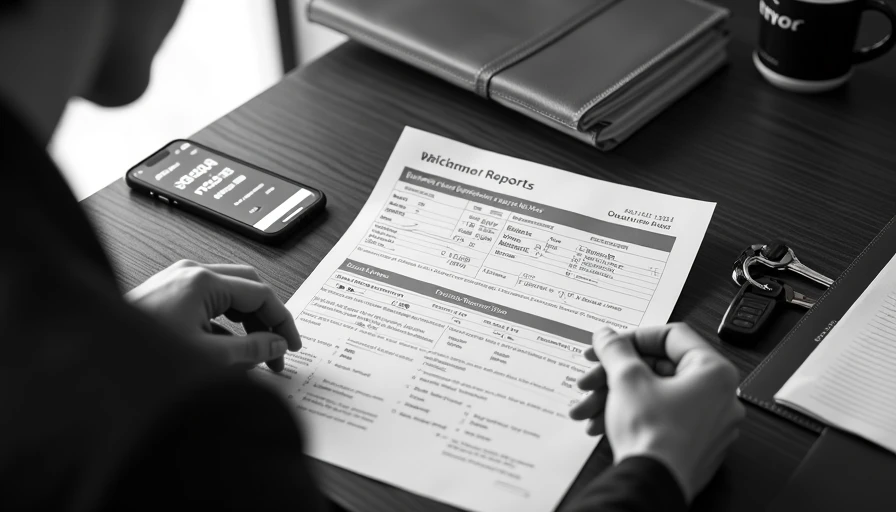
If you want a better answer to **how to tell if a recall has been performed on my used car**, ask for the repair order, invoice, or campaign completion record. A proper recall repair usually leaves a paper trail. Look for the recall number, campaign code, date, mileage, and the dealer or authorized shop that performed the work.
Reading the NHTSA filing carefully, what stands out is that recalls are not general tune-ups. They are specific remedies tied to a defect petition, engineering analysis, or safety recall campaign. The service document should say more than "checked vehicle" or "performed inspection." It should reference the recall itself and describe the remedy, such as replacing an airbag inflator, updating control module software, or installing a revised fuel pump.
If the owner has a stack of service receipts but nothing names the recall, do not assume the issue was addressed. Standard maintenance and recall work are billed and coded differently. Filing number, exact range, three concrete steps: match the VIN, match the recall number, and match the repair date. If one of those is missing, keep digging.
Call a franchised dealer and ask for campaign status
A franchised dealer for your vehicle's brand can usually tell you whether a recall campaign is still open on that VIN. This is one of the most practical answers to **how to tell if a recall has been performed on my used car**, especially if you bought it at auction, inherited it, or received weak documentation from the previous owner.
Ask the service department to check for open recalls and completed manufacturer campaigns. Be precise. Some dealers will also see service campaigns, customer satisfaction programs, or warranty extensions that are not formal safety recalls. Those matter, but they are not the same thing. You want the status of safety recalls first.
If the recall was completed at another dealer in the same brand network, there is a decent chance the record will appear. If it does not, ask whether they can print the open campaign screen or email a status summary. Many will do it at no charge because recall completion helps them and protects you.
Inspect the vehicle for signs of actual recall work
Records matter most, but physical evidence can support the file. Depending on the recall, you may see labels, paint marks, replaced parts, or updated software version notes on a service invoice. For example, some older recall remedies involved stickers in the door jamb, engine bay, or owner manual packet. Others replaced parts with visibly revised components.
This is where caution matters. Physical clues alone do not prove completion, and lack of a sticker does not prove the repair was skipped. Manufacturers changed procedures over time, and some remedies involve software flashes with no obvious visual sign. Still, a careful inspection can raise red flags. If a recall called for a new part and the vehicle still carries the original design, that deserves a direct question.
A prepurchase inspection from an independent mechanic can help here, especially on vehicles with a long recall history. Expect to spend roughly $100 to $250 for a good inspection, which is cheap compared with buying a vehicle that still needs critical recall work.
What owners should do before they trust the car
If you own one of these vehicles, this week's task is simple. First, run the VIN through NHTSA and the automaker's recall site. Second, call a franchised dealer and ask for open and completed campaign status. Third, collect the paper record and keep it in the glove box or your digital files.
If an open recall appears, schedule the repair immediately. Safety recall repairs are generally performed at no charge by an authorized dealer. Loaner availability varies, but it is worth asking, especially for airbag, brake, steering, or fire-risk recalls. If parts are unavailable, document every call and ask the dealer to notify you when remedy parts arrive.
When buying used, make recall status part of the deal conversation just like title status and accident history. A clean Carfax is not a recall clearance certificate. Before you hand over cash, answer **how to tell if a recall has been performed on my used car** with evidence, not optimism. That is the difference between assuming a car is safe and knowing where the record stands.