1920s autos occupy an important place in American transportation history, but they demand a different kind of judgment from a modern used car. A collector looking at a polished Ford Model T, Chevrolet Superior, or Chrysler touring car may see craftsmanship and character. I see a machine built before seat belts, airbags, laminated safety glass, standardized crash testing, and many of the engineering controls drivers now take for granted. That distinction matters when you buy, restore, drive, or insure one.
The central question is not whether these vehicles are interesting. They clearly are. The question is whether the car's mechanical condition, intended use, and protection plan match the risks. Here's what the data shows. Here's what owners should do.
Why 1920s autos were different on the road
During the 1920s, automobile ownership expanded rapidly, and manufacturers produced cars for a wide range of budgets. The basic layout looked familiar: an engine in front, a passenger compartment, steering, brakes, and solid axles. The safety envelope was not familiar by today's standards. Most vehicles lacked occupant restraints, padded dashboards, collapsible steering columns, side-impact protection, and engineered crumple zones.
Many 1920s autos also used mechanical braking systems that required adjustment and firm pedal effort. Four-wheel brakes became more common during the decade, but design and maintenance varied by make and model. Some cars used exposed running boards, tall bodies, narrow tires, and lighting systems that were far less effective than modern headlights. A driver could have excellent visibility in one direction and poor control in another.
This does not make every historic car unsafe to move. It means the driver must treat it as a low-speed collector vehicle, not as a substitute for a contemporary family sedan. A restored car can be mechanically sound while still lacking the crash protection built into a 2024 or 2025 vehicle.
Mechanical inspection before a purchase
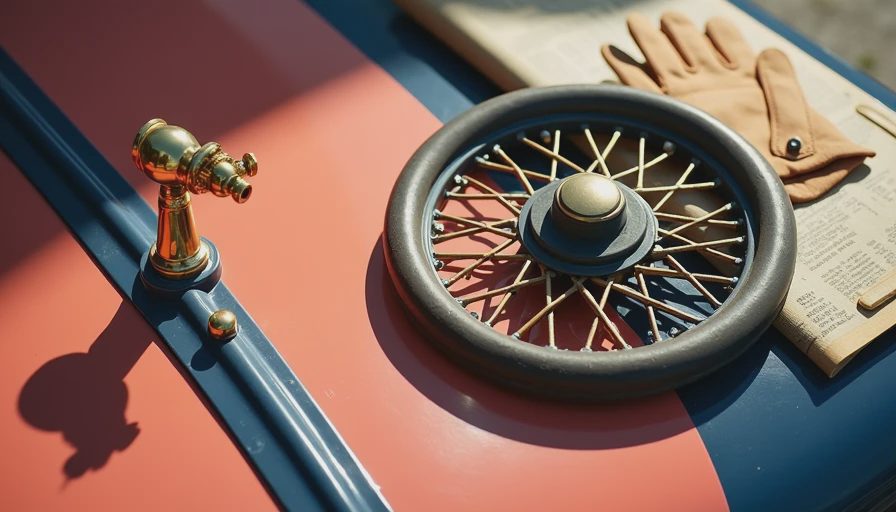
The most attractive 1920s autos often hide their most important problems underneath fresh paint. Before money changes hands, arrange an inspection by a mechanic who understands antique vehicles. A general repair shop may know modern electronic diagnostics but have little experience with magneto ignition, mechanical brake linkages, fabric wiring, early carburetors, or wooden body structures.
Start with the frame, suspension, steering box, wheel bearings, and brake components. Look for cracked metal, loose fasteners, corrosion around mounting points, and repairs that were made without proper reinforcement. Brake performance should be tested in a controlled area, not judged by a short driveway demonstration. The car should stop in a straight line without excessive pedal travel or pulling.
Inspect tires for age, cracking, incorrect size, and damage from long storage. A tire can have usable tread and still be unsuitable because of hardened rubber or sidewall deterioration. Examine fuel lines, the tank, shutoff valves, and electrical wiring for leakage or insulation failure. A small fuel leak near a hot engine is not a charming quirk; it is a fire hazard.
Ask for service records, restoration photographs, title documents, and any known parts substitutions. Originality has value, but safe repairs and properly engineered updates can be more important than matching every factory detail.
Driving risks that modern owners underestimate
A test drive in 1920s autos should be short, deliberate, and conducted away from heavy traffic. Acceleration is limited, braking distances are longer, and the vehicle may respond slowly to steering input. Drivers accustomed to power steering, stability control, anti-lock brakes, and bright LED lighting can misjudge how much room the older car needs.
Weather creates another problem. Wet pavement reduces grip on narrow tires, while darkness exposes weak headlights and poor visibility. A vehicle with an open cabin or removable side curtains offers little protection from wind, rain, and flying road debris. Even a careful driver cannot control the speed or attention of the modern vehicles sharing the road.
For those reasons, many owners restrict use to local events, club tours, parades, and daylight trips on lower-speed roads. That is not an admission that the car is defective. It is a sensible response to the difference between historic design and current traffic conditions. Adding turn signals, brighter lighting, better brake linings, or dual-circuit braking can improve usability, but modifications should be performed by a qualified specialist and documented for the insurer.
Insurance for 1920s autos
Insurance for 1920s autos is usually handled through a classic or antique vehicle policy rather than a standard daily-driver policy. Companies such as Hagerty, American Modern, Grundy, and some major insurers offer products designed for collector vehicles, although eligibility rules differ. The policy may require secure storage, limited annual mileage, no regular commuting, and use primarily for exhibitions, club activities, or occasional pleasure driving.
The most important coverage question is valuation. A standard actual cash value approach can create a dispute after a total loss because depreciation, restoration quality, and rare parts are difficult to measure. Many collector policies instead use agreed value, meaning the insurer and owner establish the vehicle's value before a covered loss. Get the agreement in writing and update it after a major restoration or documented market change.
Ask how the policy handles spare parts, tools, towing, roadside assistance, fire, theft, weather damage, and transportation to a specialist repair shop. Comprehensive coverage generally addresses non-collision losses such as theft, fire, vandalism, or falling objects. Collision coverage addresses damage from an impact. Liability coverage protects others when the insured driver is legally responsible for injury or property damage, but state requirements still apply.
Do not assume a policy covers every driver or every trip. A weekend drive to a show may fit the contract while commuting to work does not. Tell the insurer about safety modifications, storage arrangements, household drivers, and planned mileage. A lower premium is not useful if the actual use violates the policy.

How to evaluate a collector car listing
Photographs are useful for screening, not proof of condition. Look closely at the chassis, underside, floorboards, firewall, engine bay, and brake hardware. Ask for cold-start video if you cannot inspect the car in person. A seller who warms the engine before your arrival may be concealing difficult starting, smoke, noisy bearings, or fuel-system problems.
Compare the vehicle identification information on the title, frame, engine, and registration documents. Historic cars sometimes contain replacement engines or reproduction bodies, and that is not automatically a problem. It becomes a problem when the description promises originality but the paperwork cannot support it.
Set aside a reserve fund. Even a running example can require several thousand dollars for tires, wiring, brake work, fuel-system repairs, or specialist labor. Rare trim, correct gauges, and period hardware can cost more than expected. Buying the car for $18,000 does not mean the first year of ownership will cost only registration and fuel.
A pre-purchase inspection, written parts estimate, and insurance quote should come before a deposit. If the seller refuses an inspection or pressures you to act immediately, walk away. Scarcity is not a reason to ignore evidence.
What owners should do before the first trip
If you already own 1920s autos, start with a maintenance file. Record the vehicle identification number, photographs, restoration invoices, tire dates, brake work, and agreed value. Keep the file both in the vehicle records and in secure digital storage. This documentation can shorten an insurance claim and help a specialist understand the car.
Next, verify the braking system, steering, tires, lighting, horn, fuel shutoff, and fire extinguisher. Practice stopping in an empty lot and learn how the car behaves before carrying passengers. Use the correct child-restraint judgment: many antique cars cannot safely accept a modern child seat because they lack suitable anchor points and occupant protection. Families should discuss a safer transportation option rather than improvising.
Finally, review the policy every year and after any major change. Confirm storage, mileage, permitted drivers, liability limits, and valuation. If you plan a long-distance tour, notify the insurer and confirm roadside assistance arrangements. The right preparation does not erase the limitations of a century-old design, but it can prevent a mechanical problem, coverage dispute, or avoidable crash from becoming a serious loss.



No notes on this sheet yet.