Buying 70's cars is not simply a matter of choosing the best-looking chrome, engine, or paint color. These vehicles were built during a major transition in American transportation safety, when federal standards were expanding but modern crash protection was still decades away. A clean 1970 Chevrolet Chevelle, Ford Mustang, or Pontiac Firebird can be an enjoyable collector vehicle, but it also demands a careful inspection and an honest insurance conversation.
I spent years reviewing vehicle defects and safety documentation, and the same rule applies to any older automobile: start with evidence, not nostalgia. Confirm the vehicle’s identity, inspect its structure, test its safety equipment, and understand how the car will be used. A weekend cruiser and a daily commuter do not present the same practical or financial risk.
What changed in the 1970s
The 1970s brought important changes to vehicle safety. The National Highway Traffic Safety Administration was established in 1970, and Federal Motor Vehicle Safety Standards increasingly addressed braking, lighting, occupant protection, fuel systems, and crash performance. Seat belts were becoming more common, padded dashboards were replacing some harder interior surfaces, and collapsible steering columns were appearing across the industry.
That progress should not be confused with modern protection. Most 70's cars lack airbags, electronic stability control, anti-lock brakes, side-impact protection, and modern crumple-zone engineering. Even a well-maintained car can require more stopping distance and more driver attention than a current Honda Accord or Subaru Outback. A vehicle that feels solid at 45 mph is not automatically a vehicle that protects occupants well in a serious collision.
Many cars also used lap belts without shoulder restraints, especially in older production configurations. Belts may be frayed, incorrectly mounted, or missing after decades of interior work. Before driving, verify that each belt is securely anchored and that the latching hardware works. Replacement restraint systems should be installed by a qualified shop familiar with classic vehicles, not improvised with hardware from a hardware store.
Which 70's cars deserve a closer look
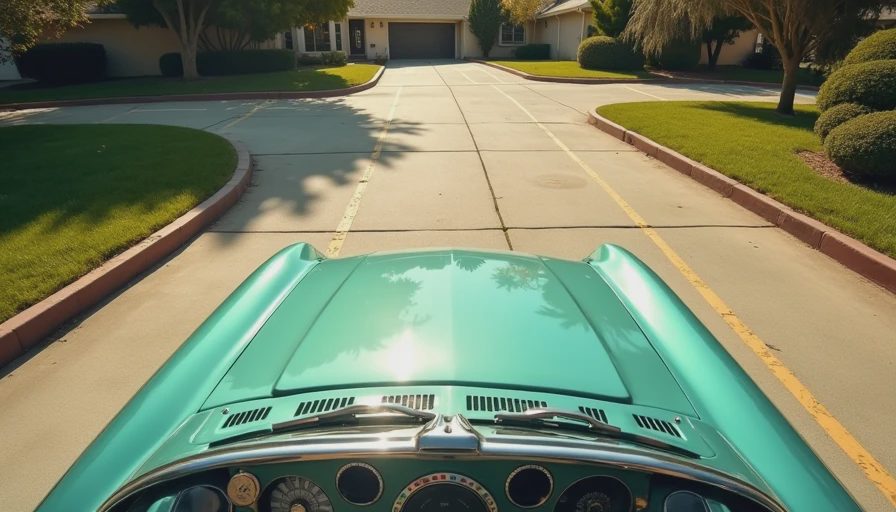
The right purchase depends on your purpose. A 1971 Chevrolet Chevelle or 1970 Plymouth Barracuda may attract attention at a weekend show, while a 1978 Ford Mustang II or Chevrolet Monte Carlo can offer a different entry point into the hobby. The name on the grille matters less than the condition of the frame, unibody attachment points, brake system, steering, and electrical wiring.
For a first-time buyer, documentation is often more valuable than horsepower. Look for a clear title, readable VIN, receipts from recent mechanical work, and photographs showing the car before restoration. On some 70's cars, a replacement body panel or engine is not a dealbreaker, but undisclosed structural repairs are. Ask whether the vehicle has been stored indoors, driven in road salt, flooded, or modified for racing.
Inspect the floor pans, rocker panels, frame rails, suspension mounting points, and trunk floor with the vehicle safely raised. Fresh undercoating can hide corrosion. A magnet, paint-thickness gauge, and bright inspection light can reveal repairs, but a pre-purchase inspection by a classic-car mechanic is money well spent. Spending $200 to $400 on an inspection can prevent a restoration bill that reaches several thousand dollars.
Mechanical risks that affect safety
Brakes deserve priority. Older systems may use drum brakes at all four wheels, vacuum-assisted disc brakes, or a mixture of components installed during a later conversion. Pulling to one side, a soft pedal, fluid around wheel cylinders, or repeated pumping indicates a problem that should be corrected before normal driving. Brake fluid absorbs moisture over time, and rubber hoses can deteriorate internally even when their outer surfaces look acceptable.
Tires are another hidden risk. A tire can have usable tread and still be too old for dependable service. Check the DOT date code on each sidewall and replace tires showing cracking, bulges, or age-related deterioration. Do not assume that a recent-looking spare is safe. The same applies to fuel lines, radiator hoses, belts, battery cables, and wiring insulation.
Reading period service records can reveal patterns. Repeated overheating suggests more than a bad thermostat. Recurring steering looseness can point to worn linkage, a damaged frame mount, or poor previous repairs. If a seller describes a defect as “just an adjustment,” require a demonstration and a written estimate before you assign a value to the car.
Insurance for a classic vehicle
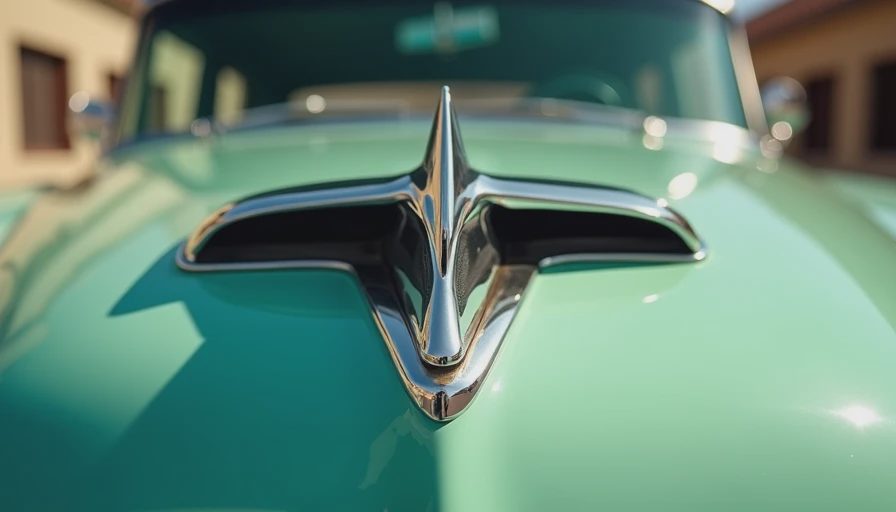
Insurance for 70's cars usually differs from ordinary daily-driver coverage. Many specialty insurers offer agreed-value policies, where the insurer and owner establish the vehicle’s value before a covered total loss. That can be useful for a documented restoration because standard actual-cash-value settlements may not reflect the money invested in rare parts, paintwork, or labor.
Ask about mileage limits, storage requirements, roadside assistance, spare-parts coverage, and whether the policy permits commuting. Companies such as Hagerty, Grundy, and American Modern are known for specialty-vehicle products, while large insurers including State Farm, Progressive, and GEICO may offer classic or collector options through particular programs and underwriting arrangements. Availability and eligibility vary by state, vehicle condition, driver history, and use.
A policy designed for a collectible car may not cover unrestricted daily use. If you drive the vehicle to work every day, carry passengers regularly, or use it for commercial activity, describe that honestly during the quote process. Keep photographs, restoration receipts, appraisal documents, and maintenance records in a cloud folder. Those records help establish value and speed a claim review.
A practical inspection and buying process
Start by matching the VIN on the title, dashboard, door area, and supporting documents. Older vehicles can have replacement bodies, swapped engines, or paperwork errors that create ownership problems later. Next, inspect the car cold rather than allowing the seller to warm it beforehand. Cold-start behavior can reveal smoking, hard starting, fuel-delivery trouble, or excessive valve noise.
Then test the car at low speed in a controlled area. Check steering response, brake pedal travel, transmission engagement, charging-system behavior, turn signals, headlights, hazard lights, and windshield-wiper operation. Do not conduct a high-speed test in an unfamiliar car with uncertain brakes. Finally, get a written inspection and price the needed work by priority: brakes and steering first, tires and fuel systems next, cosmetics afterward.
When comparing 70's cars, use total ownership cost rather than purchase price. A $15,000 vehicle needing $8,000 in structural and mechanical work is not cheaper than a $20,000 example with documented maintenance. Parts availability also matters. Popular Chevrolet, Ford, and Chrysler models often have broad aftermarket support, while rare trim pieces and specialized electronics can consume a restoration budget quickly.
What owners should do next
If you already own 70's cars, this week’s task is simple: identify the vehicle, document its condition, and verify the basics that prevent avoidable harm. Photograph the VIN and major components. Check tire dates, belt condition, brake-fluid level, battery hold-down, fuel lines, and seat-belt hardware. Have a qualified mechanic inspect the underside and confirm that the steering and braking systems are roadworthy.
Next, call your insurer with the vehicle’s actual use and storage details. Ask whether the policy is agreed value or actual cash value, whether liability limits are adequate, and whether medical payments or uninsured-motorist coverage apply as expected. Keep a current inventory of parts and improvements, but do not inflate the value without documentation.
The appeal of 70's cars is real: mechanical character, distinctive design, and a direct connection to automotive history. The responsible way to enjoy them is equally clear. Treat their age as a safety factor, investigate before buying, repair the systems that control the car, and insure the vehicle according to its real value and use. Here’s what the data shows. Here’s what owners should do.



No notes on this sheet yet.