If you want to know **how to check for recalls on a car by VIN number**, start with the 17-character VIN and a government database, not a sales listing or a dealer promise. That one number ties your vehicle to open safety recalls, completed campaigns, and in some cases a pattern of defect history worth watching closely. I spent years reading recall filings and defect reports, and the same rule kept proving true: verify the VIN first, then decide your next step. Here's what the data shows. Here's what owners should do.
Why the VIN matters more than the model name
A recall usually does not affect every version of a vehicle. It may apply only to certain build dates, engine combinations, trim levels, or manufacturing plants. That is why searching for "2019 SUV recall" is only a rough starting point. The VIN is the precise identifier. It tells the database which exact vehicle was built, when it was built, and whether it falls inside a recall population.
In recall work, that distinction matters. A manufacturer filing may cover thousands of vehicles, but only specific VIN ranges are included. Reading the NHTSA filing carefully, what stands out is that the remedy is tied to those identified vehicles, not to every car wearing the same badge. If you are buying used, comparing trade-in offers, or checking a teenager's first car, using the VIN protects you from assumptions.
The VIN is usually visible at the lower corner of the windshield on the driver's side, on the driver's door jamb label, on the registration card, and on the insurance ID card. Make sure the 17 characters are copied exactly. A wrong character can lead to a false result or no result at all.
The fastest way to run a recall check
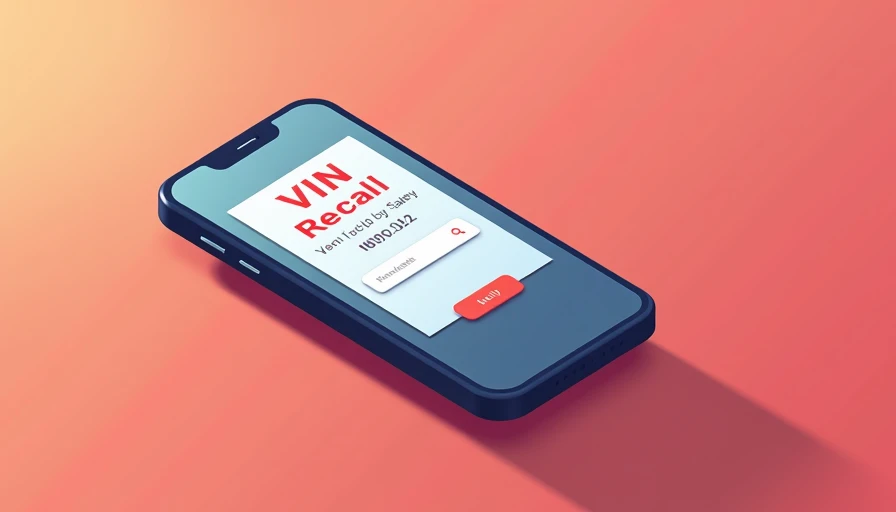
The simplest answer to **how to check for recalls on a car by VIN number** is the NHTSA recall lookup tool. Enter the full VIN into the federal database and review any open safety recall results. This search is free, takes less than a minute, and is the best first step because it is built around official safety filings rather than marketing summaries.
What you should expect to see is a notice describing the defect, the safety risk, and the remedy. In many cases, the entry also lists the manufacturer recall number alongside the NHTSA campaign number. If there is an open recall, the repair is generally completed at no charge by an authorized dealer.

After the NHTSA search, run the same VIN through the manufacturer's recall page. Automakers such as Ford, Honda, Toyota, GM, Hyundai, and BMW maintain VIN-based lookup tools on their owner sites. I recommend checking both sources because manufacturer sites may show campaign status details or parts-availability updates that the federal listing summarizes more broadly.
Filing number, exact range, three concrete steps: confirm the VIN, save a screenshot of the result, and call the brand dealer service department with the recall number in hand.
What a recall result actually tells you
Not every safety issue appears the same way. An open recall means the defect has been identified, the manufacturer has filed a remedy, and your vehicle is still eligible for free repair if it is included. A completed recall means the remedy was already performed on that vehicle record. No recalls found does not always mean no risk exists forever; it means no unrepaired safety recall appears in that VIN search at that moment.
This is where drivers get tripped up. Technical service bulletins are not recalls. Customer satisfaction programs are not recalls. Warranty extensions are not recalls. A recall involves a safety-related defect or a noncompliance with a federal motor vehicle safety standard, and it carries a formal remedy process. If a seller says, "It had an issue, but it wasn't serious," that is not proof. The VIN result is proof.
For used-car shoppers, also ask for the repair order showing the recall remedy was completed. A clean dashboard and a fresh detail job do not tell you whether an airbag inflator, brake hose, fuel pump, or rearview camera defect was actually fixed.
What to do if your car has an open recall
If your search shows an open recall, do not overcomplicate the next step. Call the dealer for that brand, provide the VIN, and ask whether parts are available now. Most recall repairs cost the owner nothing. Depending on the defect, the job could take less than an hour or require the vehicle to stay longer.
If the recall involves a serious safety system such as airbags, steering, brakes, fire risk, or stalling, I would not put it on the back burner. If you own one of these vehicles, this week's task is to schedule the repair and ask whether the manufacturer offers towing, mobile service, or a loaner in limited cases. Policies differ, but asking is worthwhile.
Also document everything. Save the search result, write down the dealer's appointment date, and keep the final repair invoice even if the balance is zero dollars. If parts are not yet available, ask to be placed on the notification list and check the VIN again later. Some recalls are announced before remedy parts are fully distributed.
Common mistakes drivers make during a VIN recall check
The biggest mistake is relying on a dealership listing that says "no recalls" without running the VIN yourself. Listings can be outdated, copied, or simply incomplete. The second mistake is checking only once. Recall populations expand, investigations become formal campaigns, and an older vehicle can gain a new recall years after it was sold.
Another common error is confusing a vehicle history report with a recall search. Carfax and AutoCheck can be useful for title, ownership, and accident history, but they are not a substitute for a direct VIN recall lookup. The same goes for generic search engines and forum posts. They can point you in a direction, but they are not the record.
If you are serious about learning **how to check for recalls on a car by VIN number**, make it part of routine ownership. Check before buying, after buying, before a road trip, and whenever you get a manufacturer notice in the mail. That habit costs nothing and can prevent expensive, dangerous surprises.
What owners should do before buying or insuring a used car
Before you sign paperwork or bind coverage, run the VIN through NHTSA and the manufacturer site. If an open recall appears, ask the seller whether the repair will be completed before delivery. Many franchised dealers will handle that step. Private sellers usually will not, so factor the time and inconvenience into your decision.
This matters for insurance, too. While a recall itself does not automatically change your premium, an unresolved safety defect can create avoidable headaches after a breakdown or crash. A cautious driver wants the vehicle brought up to current safety remedy status before daily use.
So if you came here asking **how to check for recalls on a car by VIN number**, the answer is straightforward: get the VIN, search NHTSA, verify on the manufacturer site, and schedule any open remedy immediately. Here's what the data shows. Here's what owners should do.